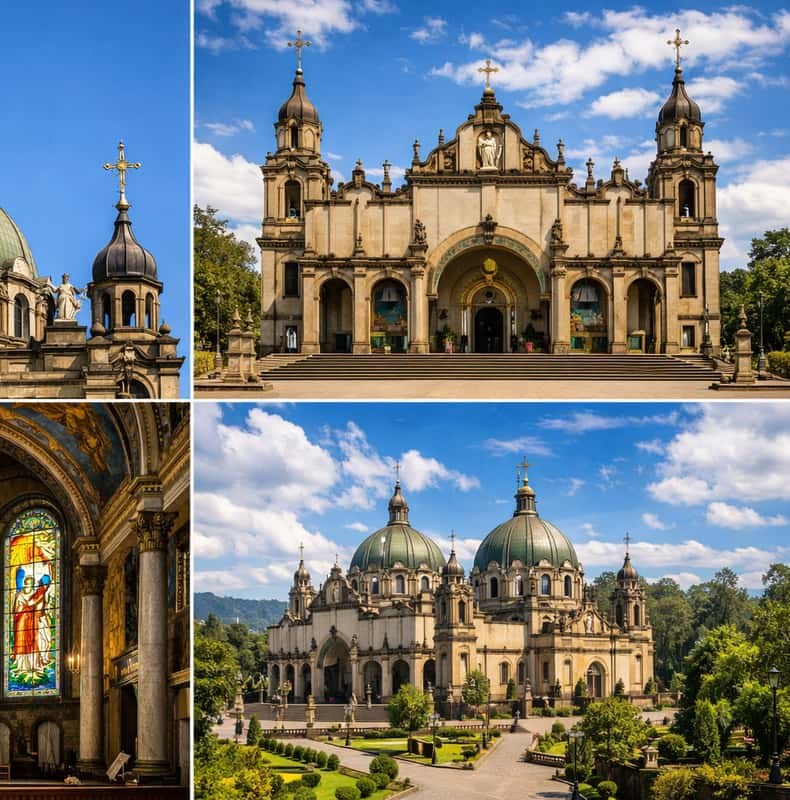
Addis Ababa Stopover & Layover Tour – Private, Fast & Flexible
PrivateFree cancellation
From $70 per person
Yes, more than most places, and for an unusual reason. Ethiopia is different enough from anywhere else that a few hours here register as a real visit rather than a taste of one. A different calendar, a different clock, a different script and a cuisine with no near relatives will do that.
What that also means is more friction than a first-time visitor expects. Almost all of it is handled by having a guide, which is why an unfamiliar country is exactly the case where a guided day earns its fare rather than the case where it is optional.
Airside costs nothing and needs nothing. Leaving the building needs a visa, and the 30-day tourist one comes from evisa.gov.et, the government's own platform, with six months left on your passport.
Apply before you fly. A first-time visitor who arrives assuming a transit stop is exempt has a very short and very frustrating layover. Everything else on visiting Addis Ababa is easier than this one thing.
Mild. A little breathlessness on stairs, a little more tiredness than the flight alone explains, and a headache if you have not drunk enough water. Addis Ababa is the highest capital in Africa, and Mount Entoto adds another 800 metres.
Take the first hour gently, eat something, and drink more than you feel like. Two operators state altitude limits on their own listings, which is a fair signal rather than a warning — if you already know you react to thin air, pick a route that stays down in the city.
The birr is the currency. Your tour is paid online before you fly, so cash is only for coffee, lunch and anything you buy. Cards work in hotels and larger restaurants and are close to useless in a market.
| What | How to pay | Roughly |
|---|---|---|
| Your tour | Online, before you fly | From $42 |
| Coffee and a snack | Cash | Small notes |
| Lunch, where not included | Cash | Small notes |
| Mount Entoto viewpoint, on one tour | Cash on the day | US$10 per person |
| Three church and museum doors, on one tour | Cash on the day | US$15 per person |
Ethiopia's calendar has thirteen months and runs seven to eight years behind the Gregorian one, with New Year on 11 September. The clock starts at dawn, so seven in the morning is one o'clock locally. The script is Ge'ez, which you will not read.
None of this will trouble you on a guided day and all of it will if you try to arrange things alone. It is the clearest argument for a guide on a first visit, and it is covered further in facts that surprise first-time visitors.
Injera is a large sour flatbread that arrives as the plate, with stews spooned onto it and no cutlery. You tear, you scoop, you share. Ethiopian fasting food is among the best vegetarian cooking anywhere, so say at booking if anyone is vegetarian and the guide will steer accordingly.
Only one departure includes a cooked lunch in the fare. On the rest, the car stops somewhere and the bill is yours, which is the more common shape.
It is an hour, it is social, and it is the stop travellers write about afterwards. Beans are roasted in front of you, ground by hand, brewed in a clay jebena and poured from a height. Three rounds come from the same grounds, and the third is called baraka, to be blessed.
Almost every itinerary out of Bole builds one in. It is the single best hour of a first visit and it is worth choosing a route on.
A handshake is the normal greeting and it is often held longer than a visitor expects. Amharic is the working language of the city and English is widely spoken by anyone in the tourism trade, so you will not be stuck.
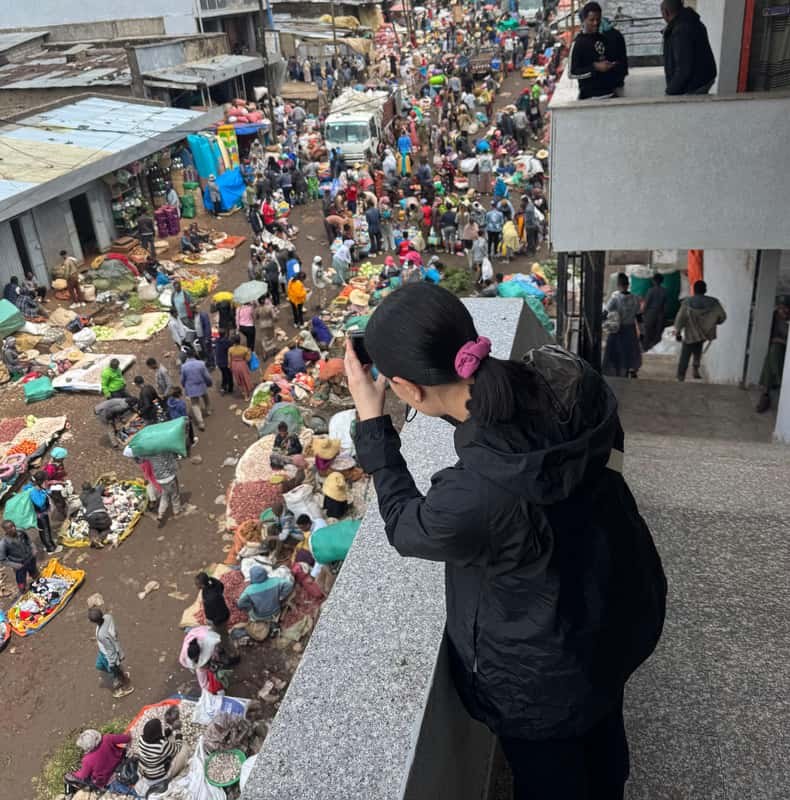
Ask before photographing people, and expect the answer to be no in a market and yes almost everywhere else. Inside a church, ask your guide first rather than the priest. Tipping is not built into the fare on any of these departures and is not expected, but it is normal for a guide and a driver who have given you a whole day, and small notes in birr are the way to do it.
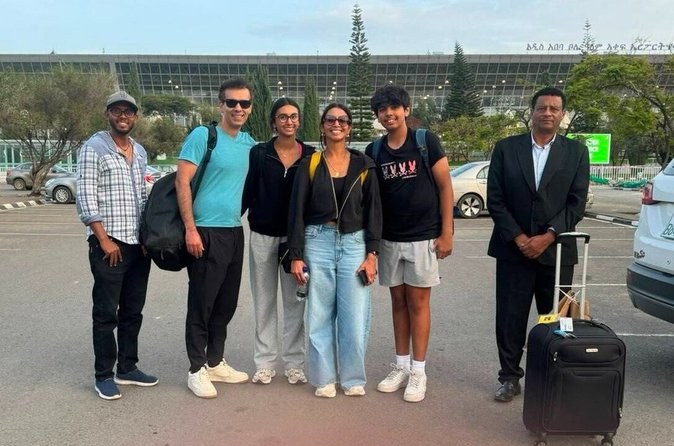
Back at Bole, with time in hand. Every departure here returns you to the terminal and the guides work backwards from your onward flight rather than forwards from the pickup. If you still have to check in, the airline wants you there two hours ahead, and that is the figure the day is built around.
Expect the last leg to be the slowest part of it. Six kilometres of Addis Ababa traffic in the late afternoon is not the same six kilometres you covered in the morning, which is why a good guide starts the return earlier than feels necessary. Nothing about that is left to you, and on a first visit that is exactly the point: somebody else is holding the clock.
Something with both a museum and the ridge, because between them they cover what Ethiopia is and what it looks like. Four hours does that; six does it comfortably. What fits each window is set out on quick sightseeing routes and layovers of 6 hours and longer.
A first visit is worth doing properly. The departures with both a museum and the ridge are listed on Addis Ababa Layover Tours, and the practical detail is on visiting Addis Ababa.
From $70 per person